Romuald Traugutt
The last dictator of the January Uprising, executed on the Citadel slopes in 1864 — one of the symbols of resistance.
History
More than 40,000 people passed through the cells of the Tenth Pavilion - among them uprising leaders, independence activists and politicians known from the history books.

The Tenth Pavilion was an investigative prison for political prisoners. During its operation more than 40,000 people were held here — from participants in the uprisings to independence and revolutionary activists. Many were sentenced to death, exile to Siberia or hard imprisonment, and executions took place on the nearby slopes, by the later Execution Gate.
The last dictator of the January Uprising, executed on the Citadel slopes in 1864 — one of the symbols of resistance.
Independence activist and later Head of State, imprisoned in the Tenth Pavilion for conspiratorial activity.
A leading politician of the national camp, held at the Citadel at the turn of the 20th century.
A young revolutionary activist of the PPS, executed by the Execution Gate in 1905.
A priest and peasant activist, imprisoned for preparing a popular uprising.
A poet and conspirator, one of the political prisoners of the partition era.
1864
Romuald Traugutt and four members of the National Government are executed on the Citadel slopes (10 August).
1886
Activists of the First Proletariat are executed - among the first executions of socialists in the Kingdom of Poland.
1887
A young Józef Piłsudski passes through the Tenth Pavilion, then sentenced to exile in Siberia.
1905
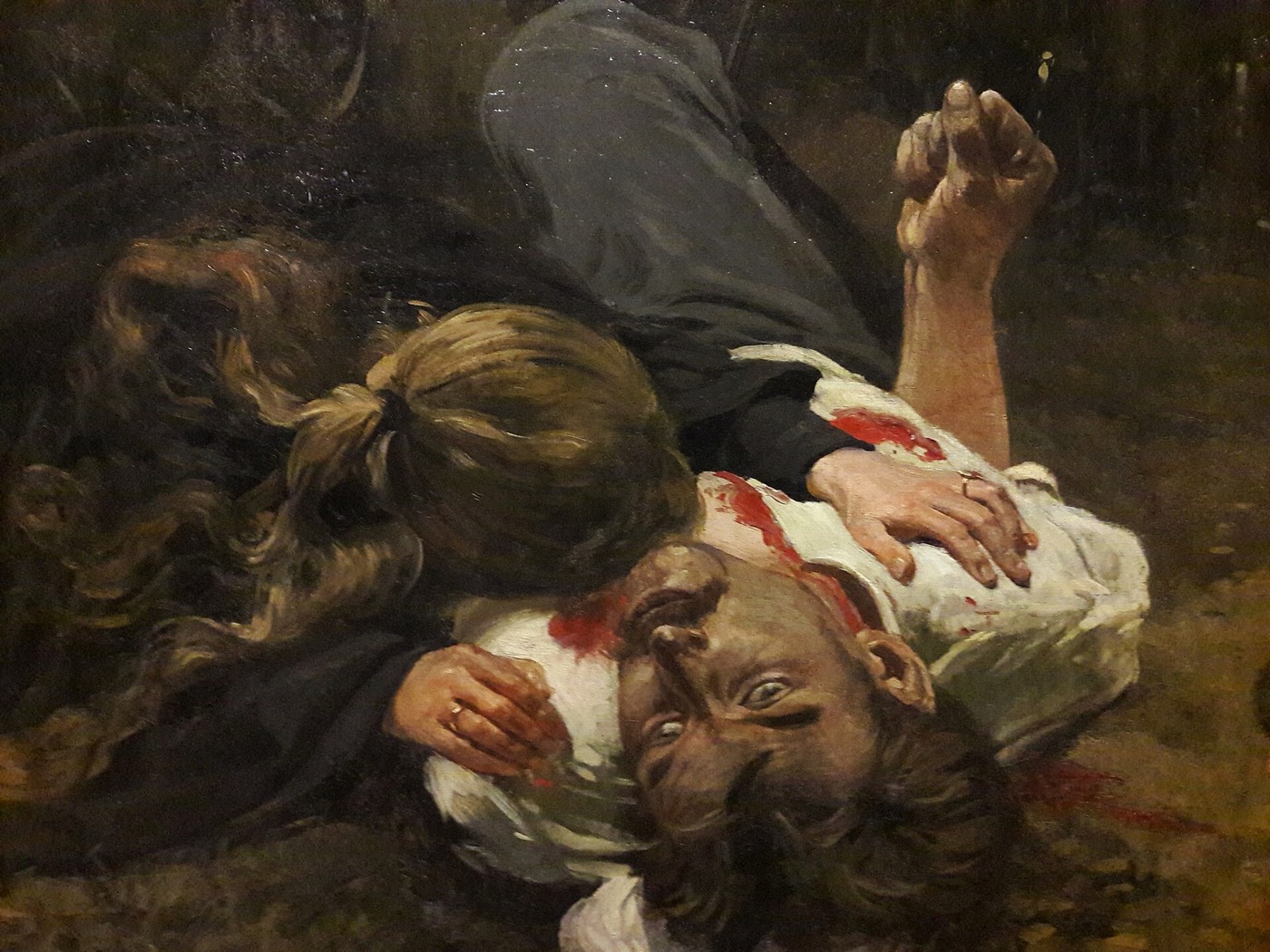
Stefan Okrzeja, a PPS activist, is executed by the Execution Gate during the 1905 revolution.
 1885
1885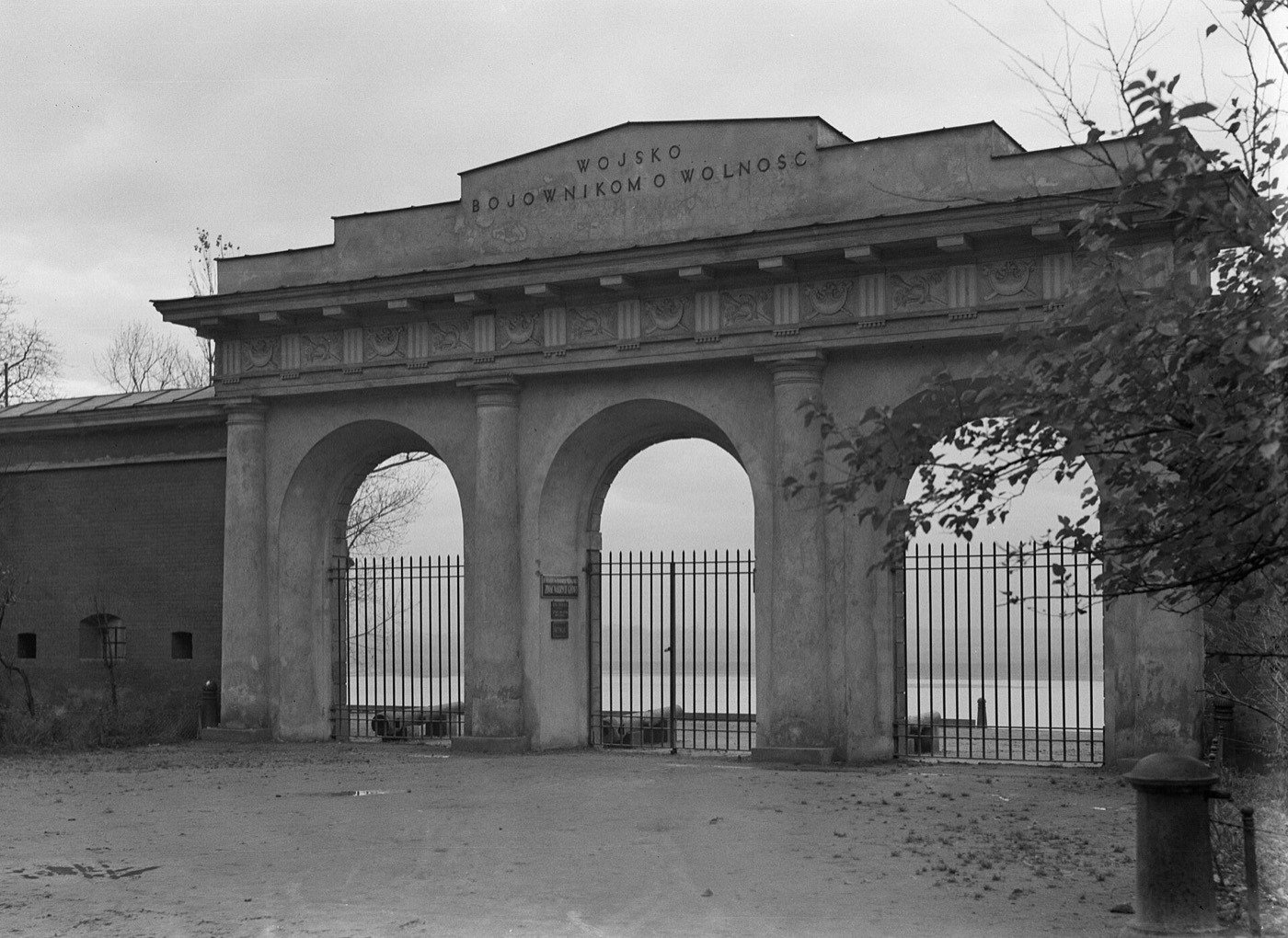 1934
1934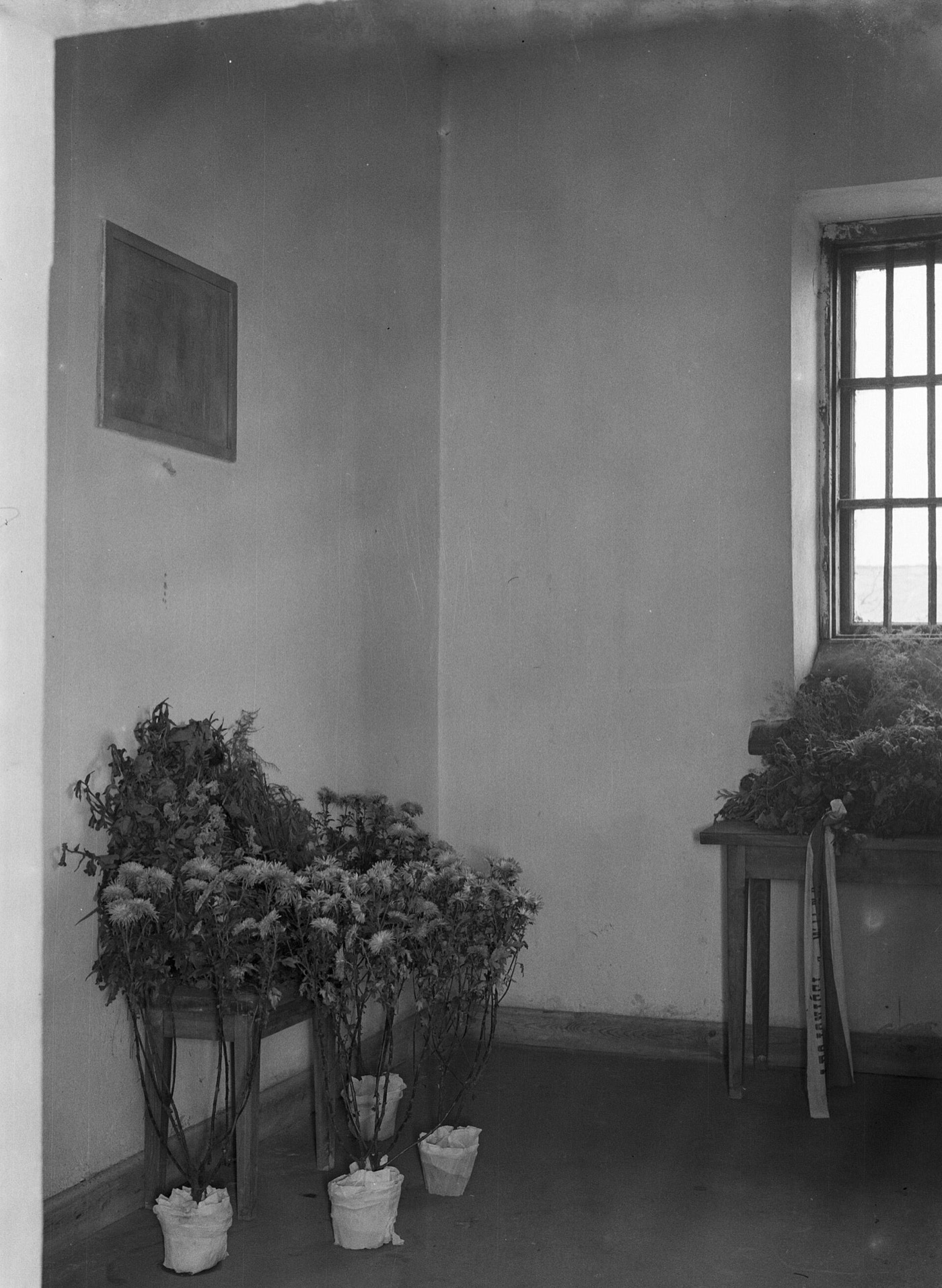 1934
1934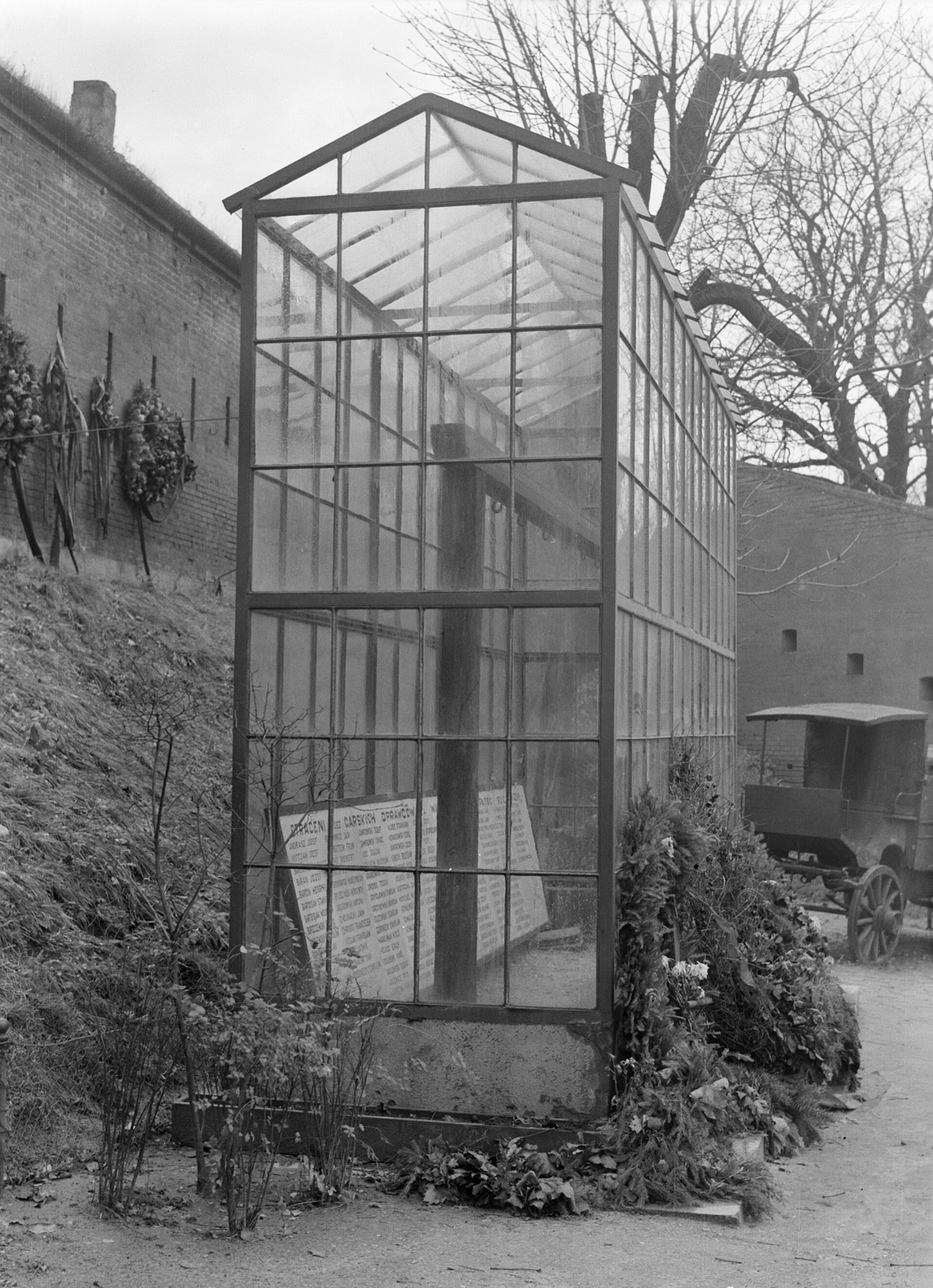 1934
1934The list of Tenth Pavilion prisoners shows that people from very different, often opposing political camps passed through the same institution. That makes the Citadel one of the most important sites of memory of 19th-century repression. It is worth combining a visit to the Museum of the Tenth Pavilion with a walk to the Execution Gate.
Verified on July 17, 2026. We use official museum and operator information as the baseline, then add our own comparison and planning guidance. Opening hours, prices and event programmes can change, so confirm time-sensitive details before travelling.