History
History of the Warsaw Citadel
The Citadel was built as a tool of control over Warsaw and became one of the most important symbols of repression, resistance and historical memory in Poland.

A fortress after the November Uprising
The Citadel was built in the 19th century after the November Uprising was crushed. Its location on the Zoliborz hill and the scale of the fortifications had military value, but the political message mattered just as much: Warsaw was to remain under constant control.
Construction meant reshaping part of the city and displacing residents of the former buildings. The history of the Citadel is therefore also a history of urban violence and an imposed military presence.
A political prison: the Tenth Pavilion
The Tenth Pavilion held people connected with the independence and political movements. Over 40,000 prisoners passed through its cells. Many were sentenced to death, exile to Siberia or hard imprisonment, and executions took place on the nearby slopes, by the later Execution Gate.
Key dates
1832
Construction begins after the November Uprising, ordered by Tsar Nicholas I. Original name: the Alexander Citadel.
1864
Romuald Traugutt and members of the National Government are executed on the Citadel slopes - a symbol of the January Uprising.
1905
Activists of the 1905 revolution, among them Stefan Okrzeja, are executed by the Execution Gate.
16 Nov 1918
The radio station at the Citadel broadcasts the message announcing the rebirth of an independent Polish state.
1920
During the Battle of Warsaw the radio station jams Soviet transmitters for many hours.
Today
The Citadel becomes a modern museum complex, with new homes for the Polish Army Museum and the Polish History Museum.
Anniversaries and days of remembrance
The key anniversaries connected with the Citadel stem from the events documented here. Many of them are dates of mourning — executions and repression. These places are best visited with reflection, and a visit can be timed around commemorative events at the museums.
1832
Construction begins after the November Uprising, ordered by Tsar Nicholas I. Original name: the Alexander Citadel.
1864
Romuald Traugutt and members of the National Government are executed on the Citadel slopes - a symbol of the January Uprising.
1905
Activists of the 1905 revolution, among them Stefan Okrzeja, are executed by the Execution Gate.
16 Nov 1918
anniversary with a specific calendar day
The radio station at the Citadel broadcasts the message announcing the rebirth of an independent Polish state.
1920
During the Battle of Warsaw the radio station jams Soviet transmitters for many hours.
Facts about the Citadel
- Construction cost around 11 million roubles - an enormous sum at the time.
- Nearly 80 houses were demolished and over 15,000 residents displaced to make room for the fortress.
- About 2,000 labourers worked on the site every day.
- More than 40,000 political prisoners passed through the cells of the Tenth Pavilion.
The Citadel in archive images
The images below come from openly-licensed collections (public domain and CC0). The 1934 photographs were taken by the Dutch photographer Willem van de Poll and show the Execution Gate, the cells and the gallows on the slopes of the Citadel.
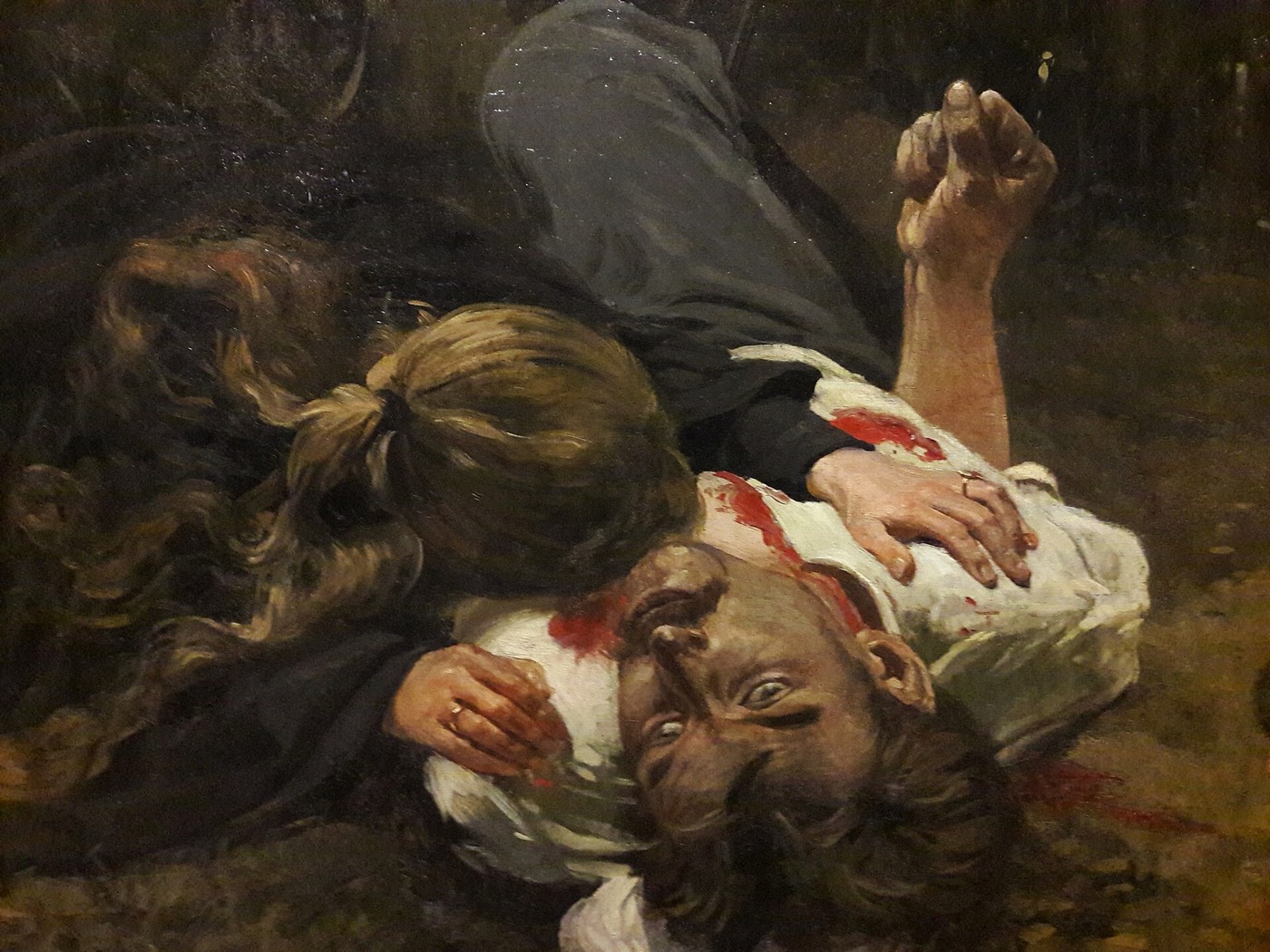 1885
1885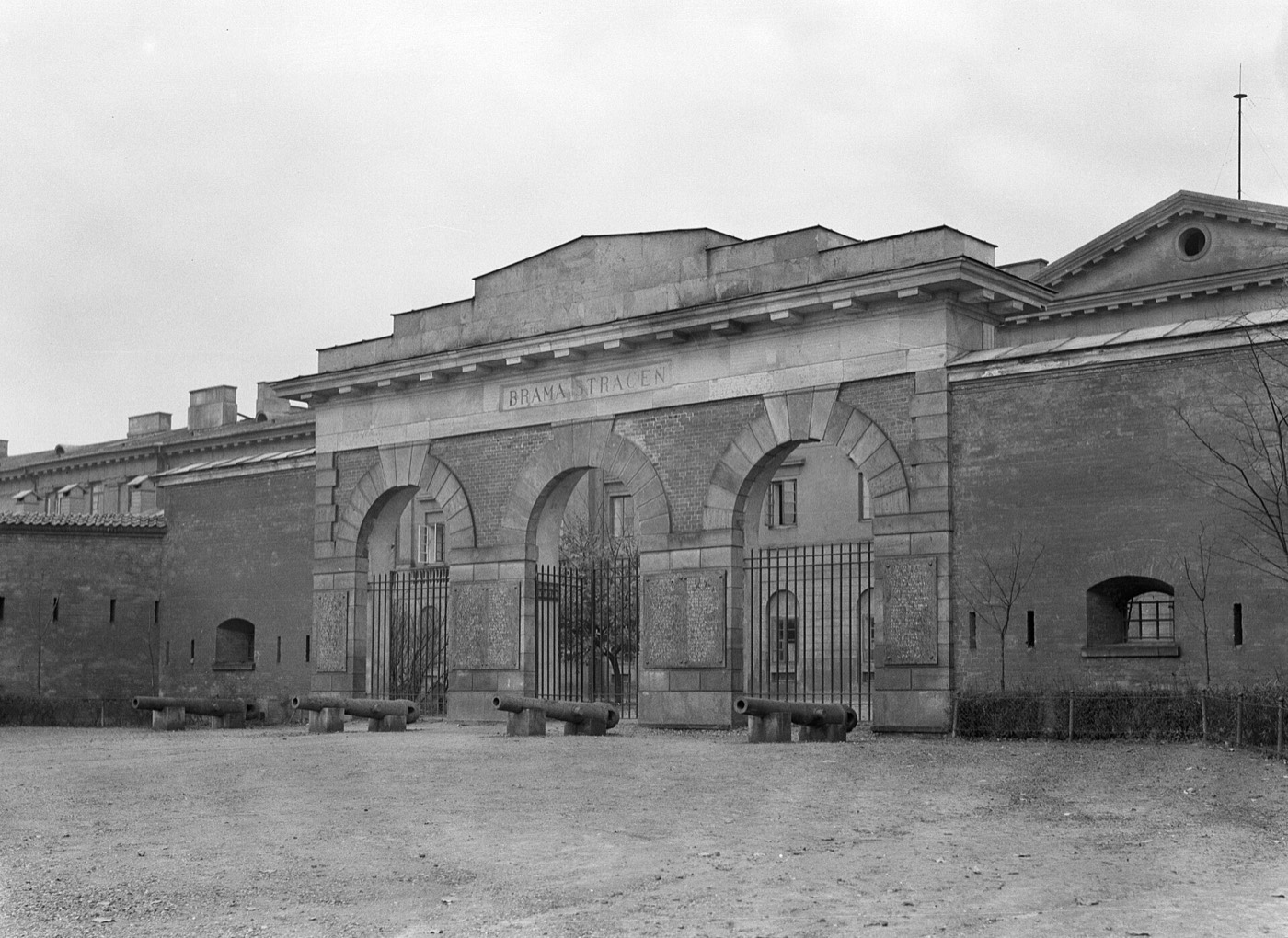 1934
1934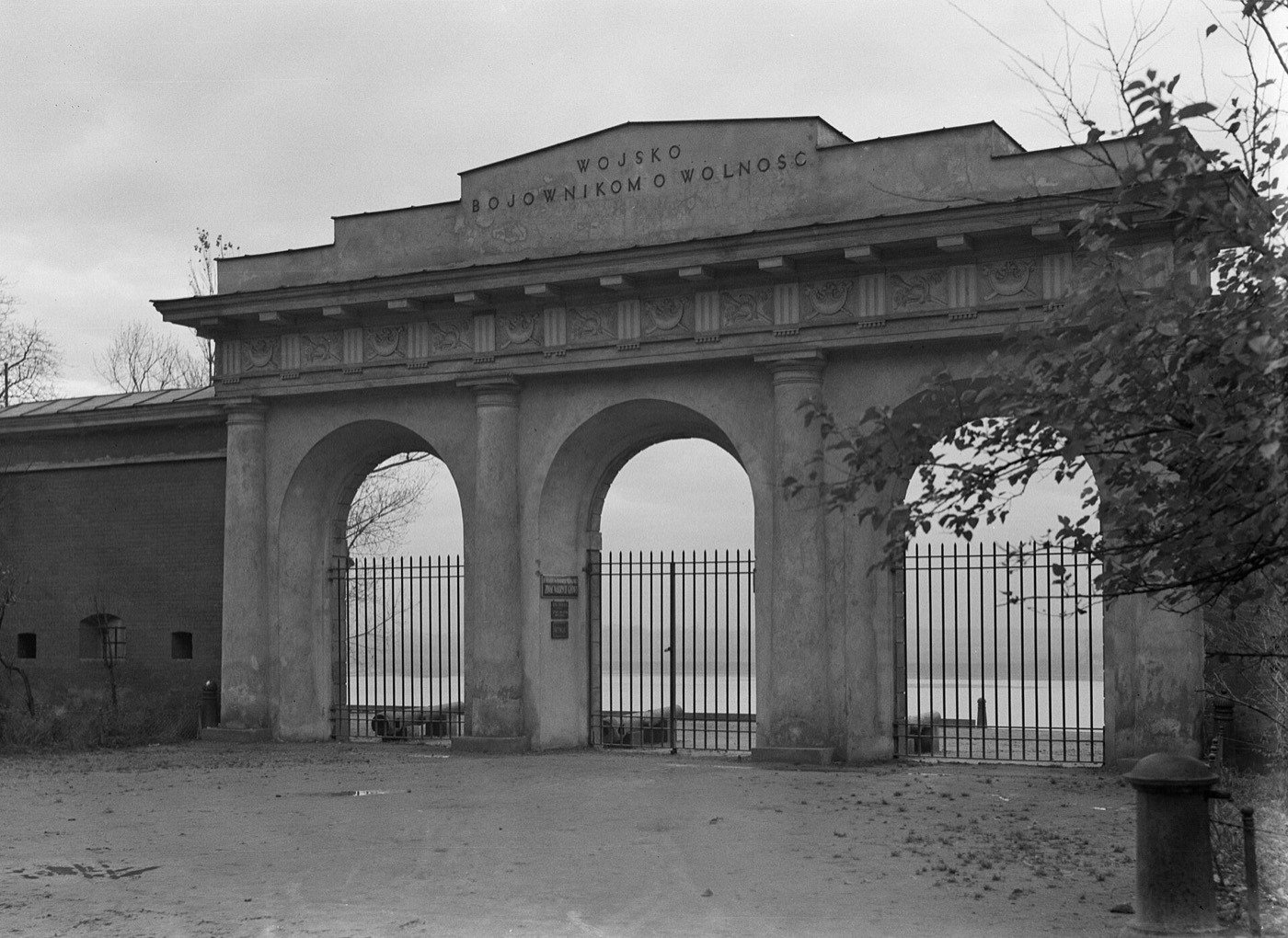 1934
1934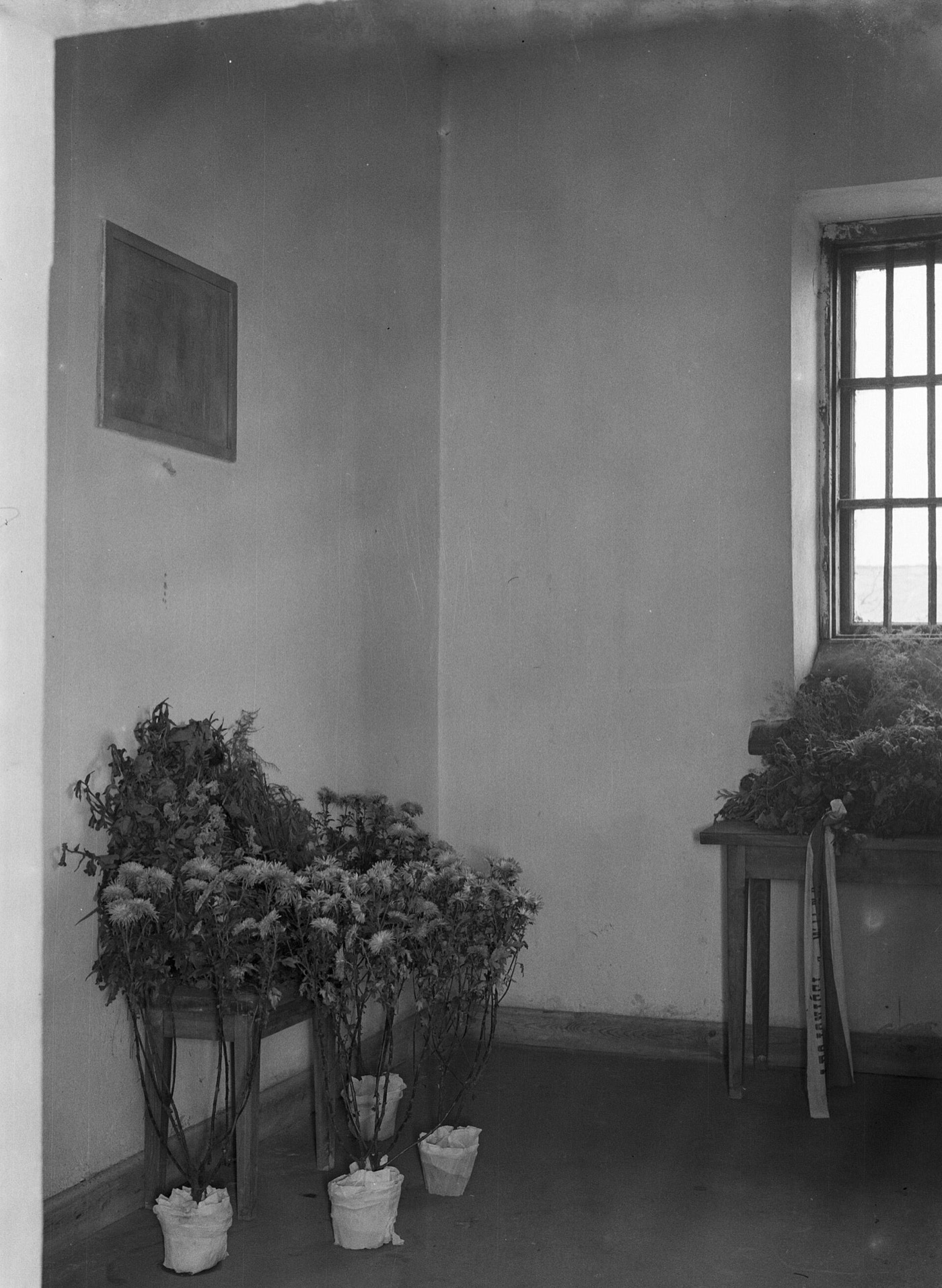 1934
1934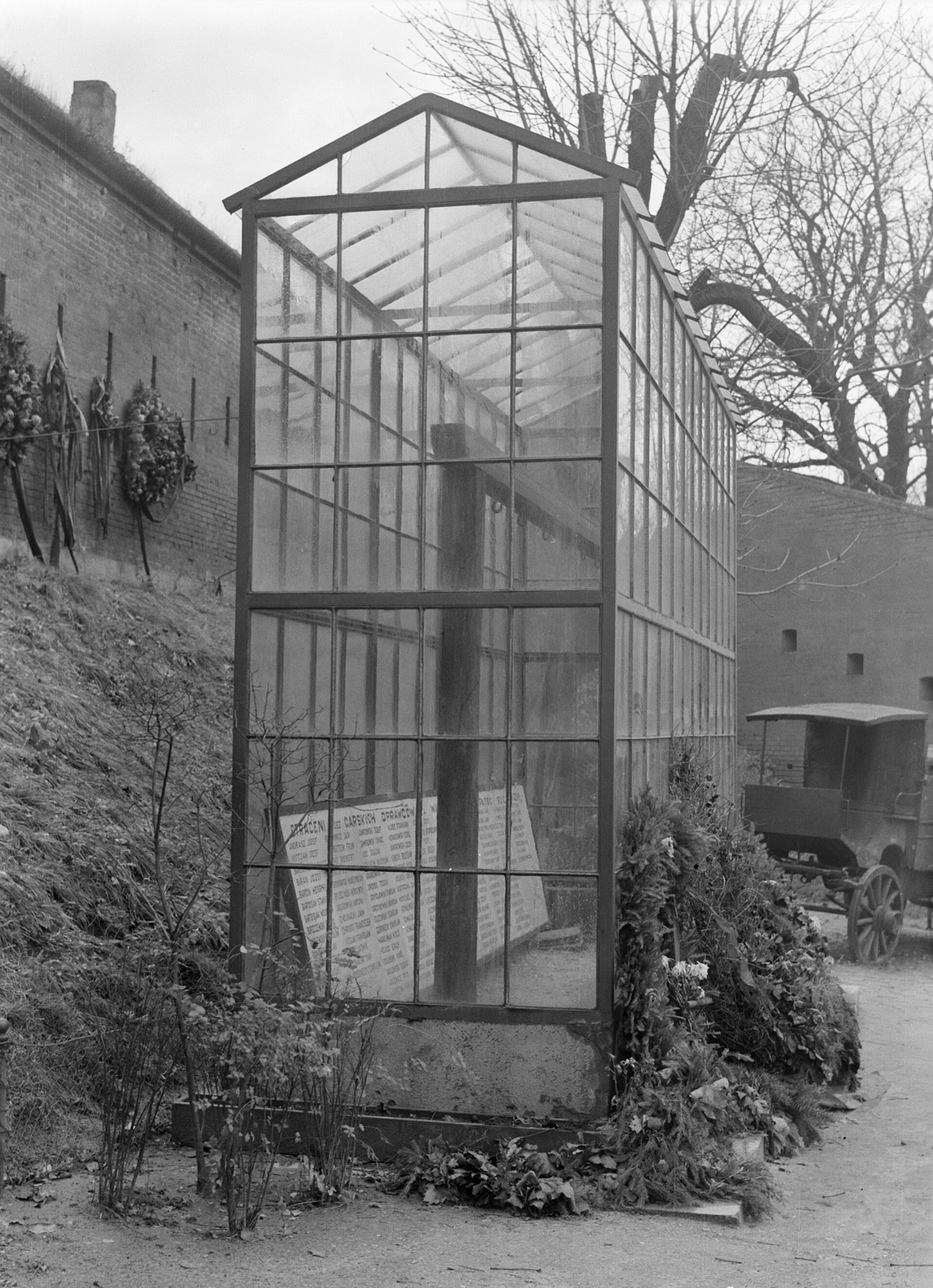 1934
1934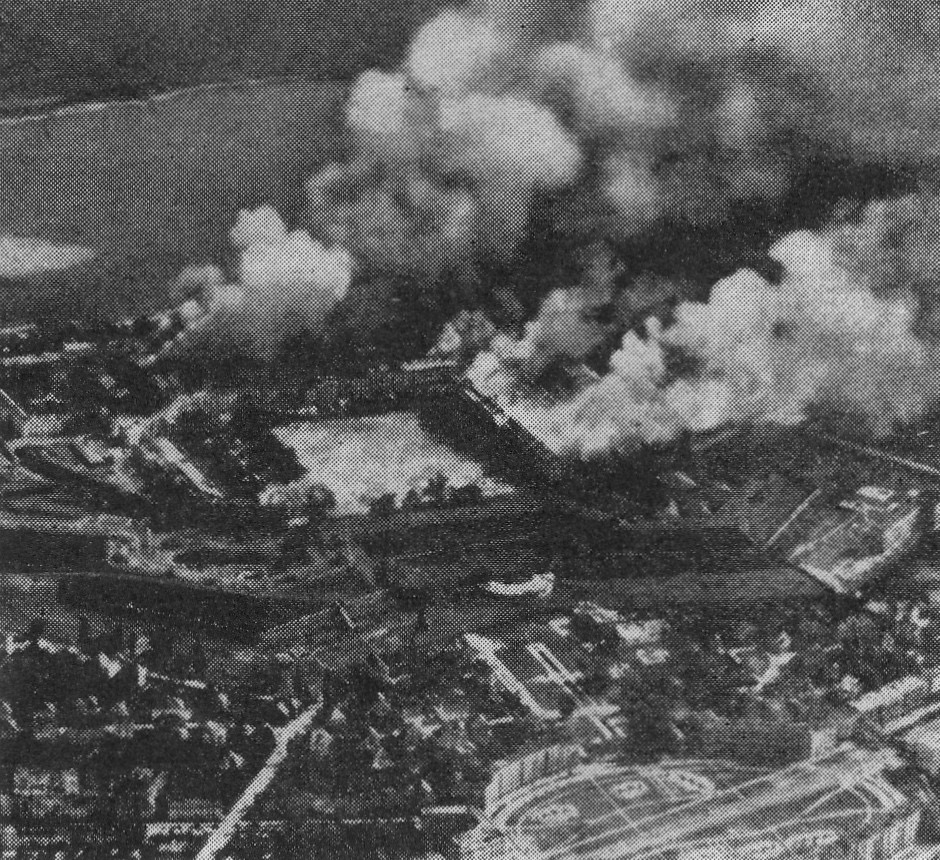 1939
1939Then and now — the Execution Gate
Drag the slider to compare the Execution Gate in a 1934 photograph with its present-day state. This is the then-and-now comparison showing the continuity of the Execution Gate and changes in its surroundings.
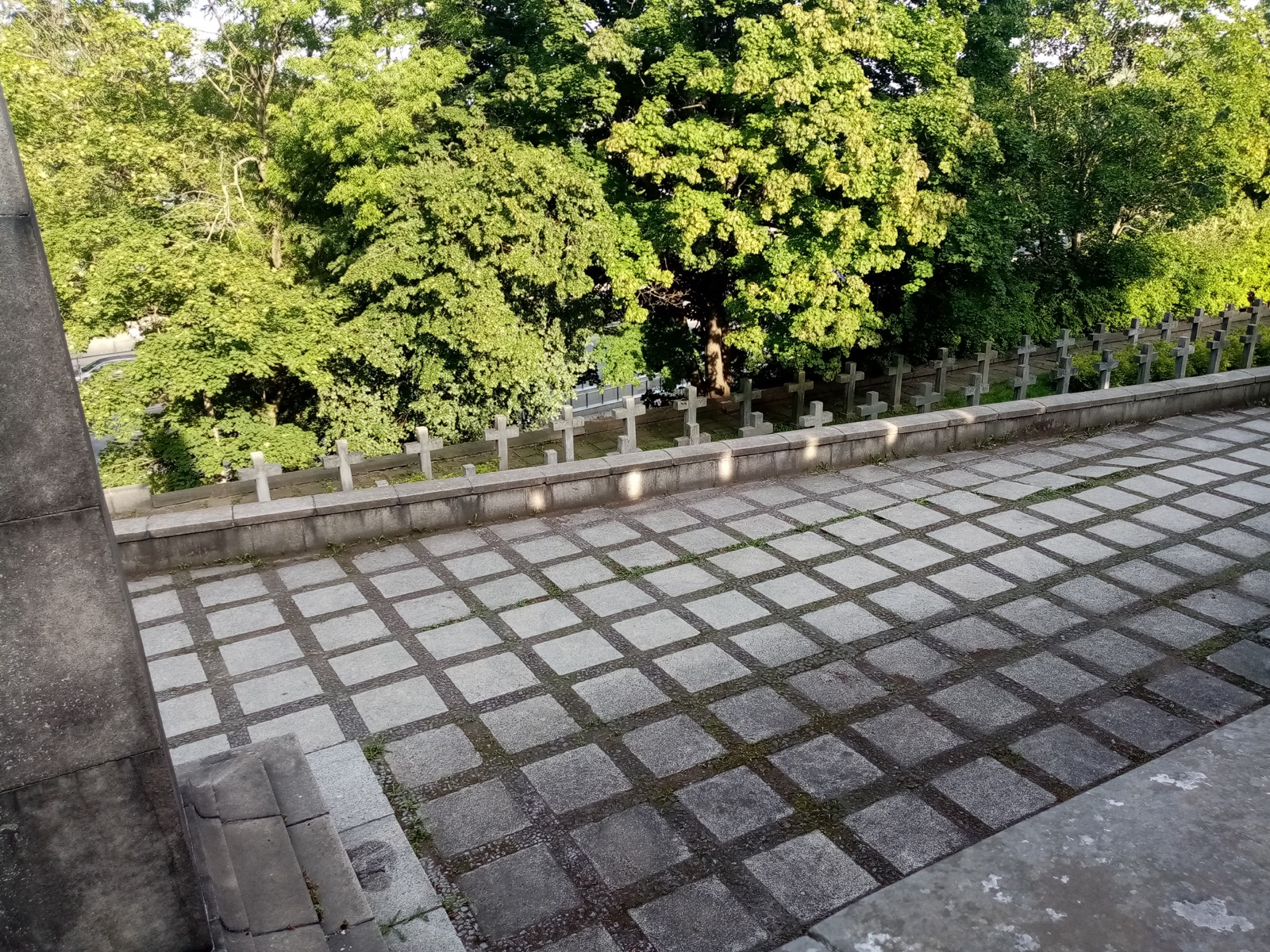 Now1934
Fortification layout — an interpretive diagram
This interactive diagram explains the basic elements of a fortress: a gate, rampart, bastion, moat and glacis. It is not a reconstruction of a specific part of the Warsaw Citadel and should not be treated as evidence of its historic appearance.
Notable prisoners and sites of memory
We write more about the people held in the Tenth Pavilion — from Romuald Traugutt to Józef Piłsudski — in a separate guide to the notable prisoners of the Tenth Pavilion.
The modern complex of memory and museums
Today the Citadel is not purely a military monument. It is a museum complex, a space for historical education and a green area that is gradually opening up to residents and visitors alike.
Sources and verification
Verified on July 17, 2026. We use official museum and operator information as the baseline, then add our own comparison and planning guidance. Opening hours, prices and event programmes can change, so confirm time-sensitive details before travelling.