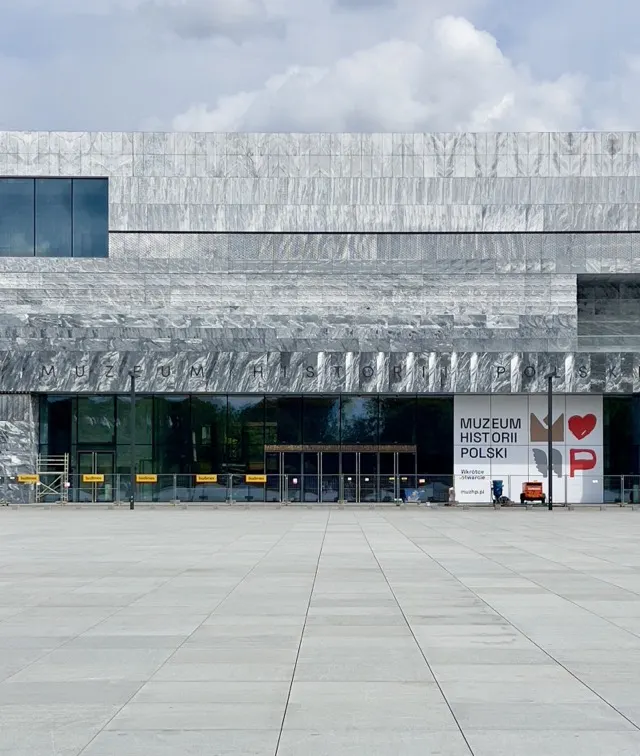
Polish History Museum
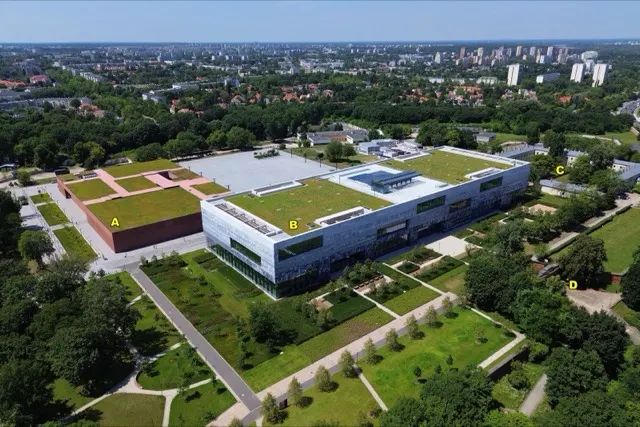
The largest building on the grounds. Until the permanent exhibition opens (planned for 2027), temporary exhibitions are on show.
Visitor guide
An independent guide to one of Warsaw’s most important places of remembrance: from a tsarist fortress and political prison to a modern museum complex and park.

The Warsaw Citadel was built after the November Uprising as a tsarist fortress and a tool of control over the city. Its story is not a neutral tale of military architecture - it is a story of repression, of a political prison, and of remembrance for the people who fought for independence.
Today the grounds combine museums, history education and a riverside park. You can move from a broad historical narrative in the Polish History Museum to very personal testimonies in the Tenth Pavilion and the Katyn Museum.
The largest building on the grounds. Until the permanent exhibition opens (planned for 2027), temporary exhibitions are on show.
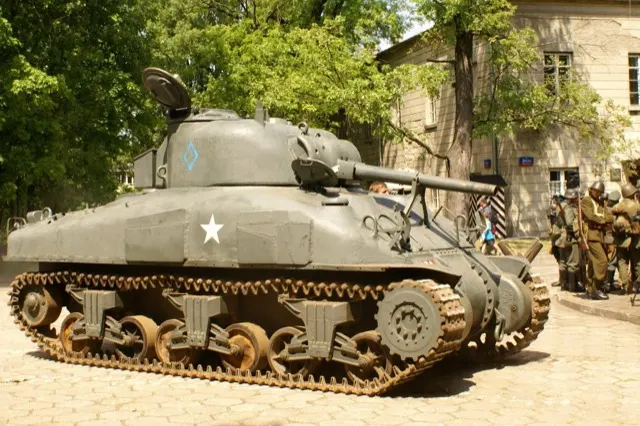
A modern home for arms and armour - from hussars to tanks and aircraft. Free entry on Thursdays.
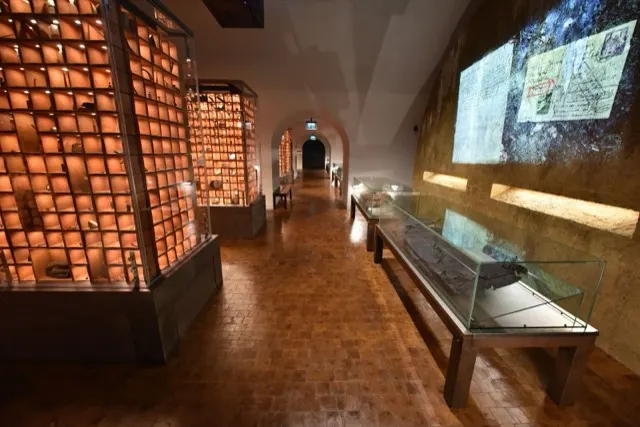
An authentic 19th-century political prison with original cells and corridors.
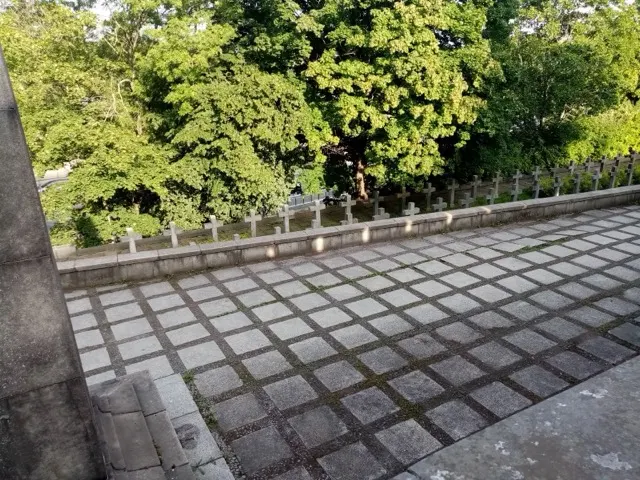
The only museum in the world devoted entirely to the Katyn massacre. Free entry.
Families
The Citadel is a rewarding school-trip destination — it combines history, museums and outdoor space. Below is how to match the programme to the pupils’ age and handle group logistics.
Read articlePractical
A visit to the Citadel is easy to combine with a meal break. Below are practical tips on planning food during your visit and where to look for options nearby.
Read articleMuseums
The Katyń Museum is a memorial to the victims of the Katyń massacre. It is a reflective visit — below is what to expect and how to plan it calmly.
Read article